

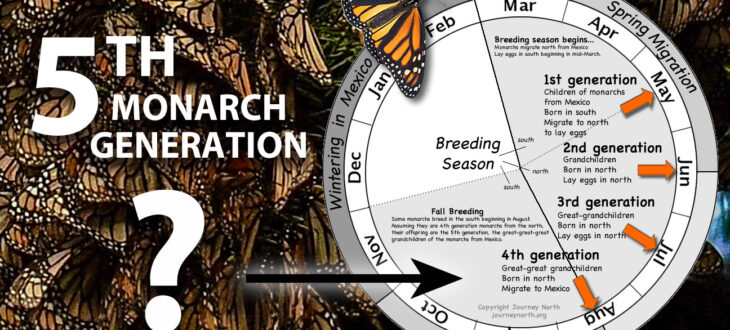
Unraveling the Fifth Generation: Dr. Emily Geest Explores Late-Summer Monarch Movements in the Southern Plains
September 4, 2025
BY DR. EMILY GEEST - Conservation Scientist, Oklahoma City Zoo and Botanical Garden
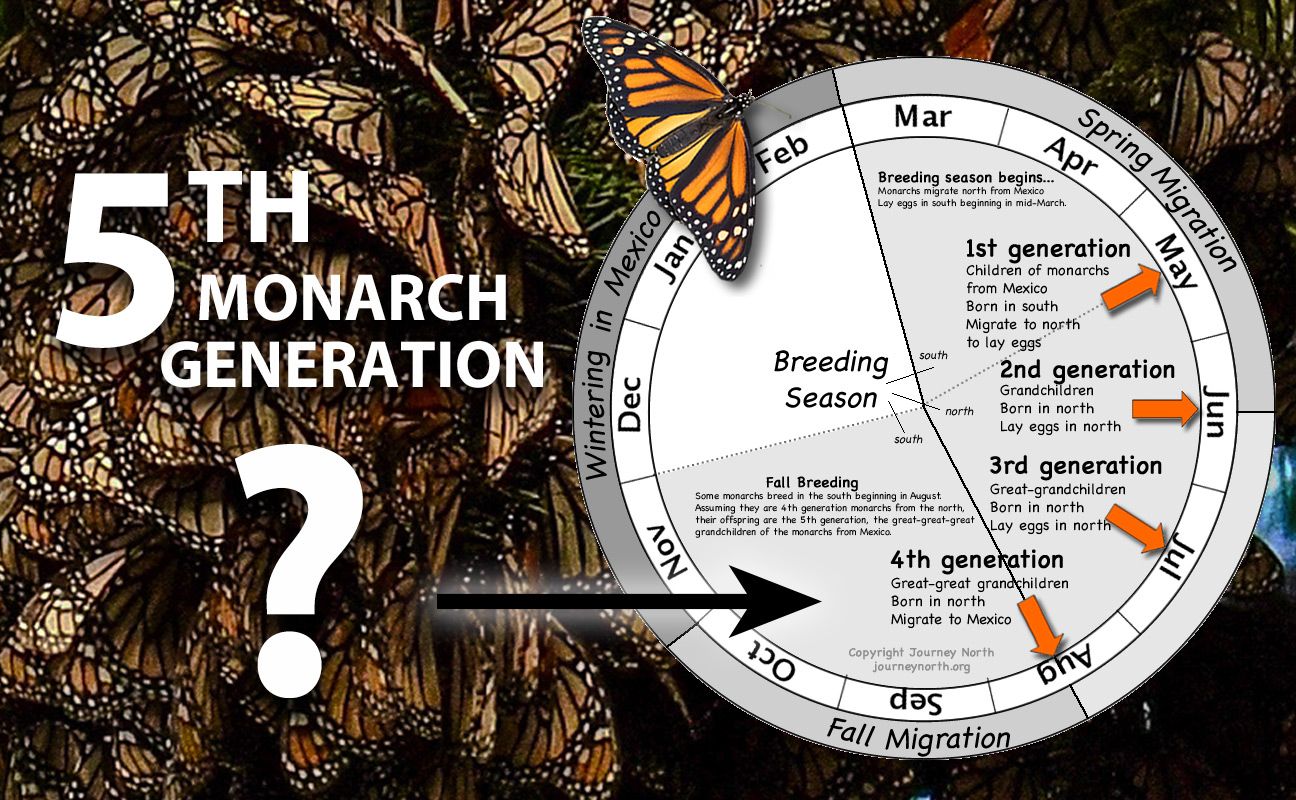
Most people imagine monarch migration as a simple north-south stair-step of generations, but in reality it’s more complex, especially in Oklahoma, where warm weather lingers late into the year.

Beginning in late July and continuing through mid-August, some northern monarchs head south weeks before the main migratory wave. Unlike the fall migratory generation, which is in reproductive diapause, these butterflies are still reproductively active. This smaller movement has been described by varying terms including as a “premigration migration” or late-summer breeding monarchs. More accurately, they represent the start of a fifth generation of monarchs.
It’s not clear why monarchs head south early but one explanation is timing. Butterflies emerging in late July or early August in northern regions may not have enough time to produce a successful generation before the first frosts arrive. Moving south to breed where milkweed is still available could offer a better chance of success. While the southern Great Plains are often hot and dry at this time, late-summer rains south of 37°N can trigger re-growth in milkweed species like Asclepias viridis and A. asperula, creating new opportunities for reproduction.

In Oklahoma, this premigration often shows up as a surge in monarch sightings in August and a surge of caterpillar sightings in early to mid-September. The caterpillars from this late-summer generation develop into adults that emerge just in time to join the main southward wave, which usually peaks in early October, though weather can push it earlier or later. From a conservation standpoint, this means it’s important to have milkweed available into September to support this late-season generation, and plenty of nectar plants to fuel both the early movers and the main migratory wave that follows.
Although not every monarch leaves early, these late summer breeding monarchs can contribute meaningfully to the overwintering population and it’s a reminder of just how much our late-season gardens can help support them.
Report Your Sightings!
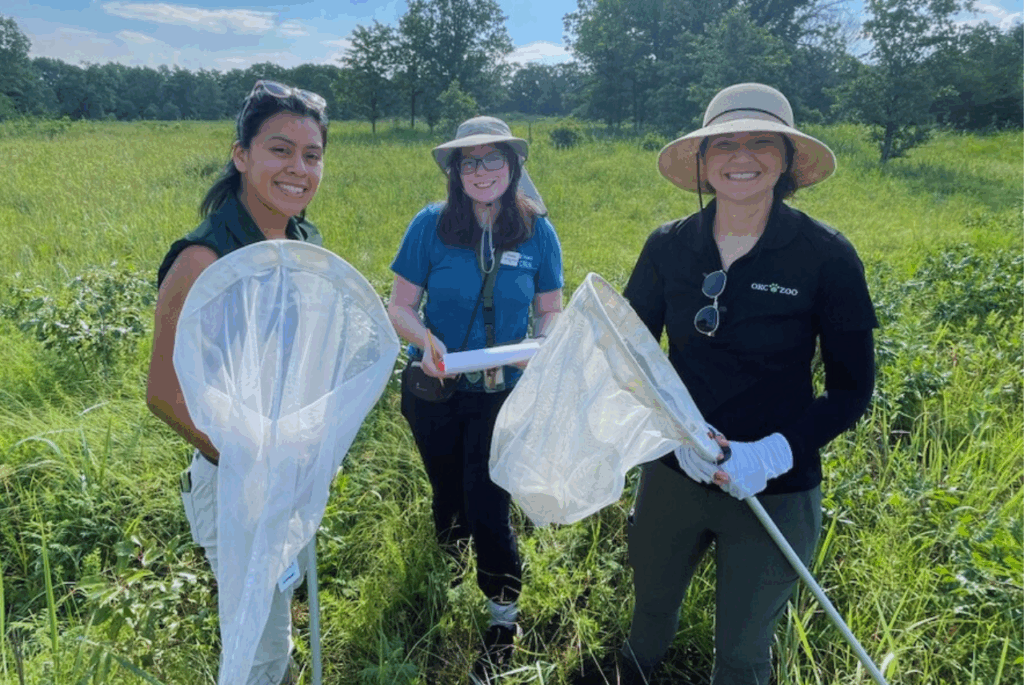
Want to help biologists better understand monarch behavior?
Report your sightings to Journey North. It's fun, easy and provides essential data to researchers like Dr. Emily Geest.