
Simply a back yard butterfly garden! Started last year but had great results so looking forward to year two!
Bacon Butterfly Garden
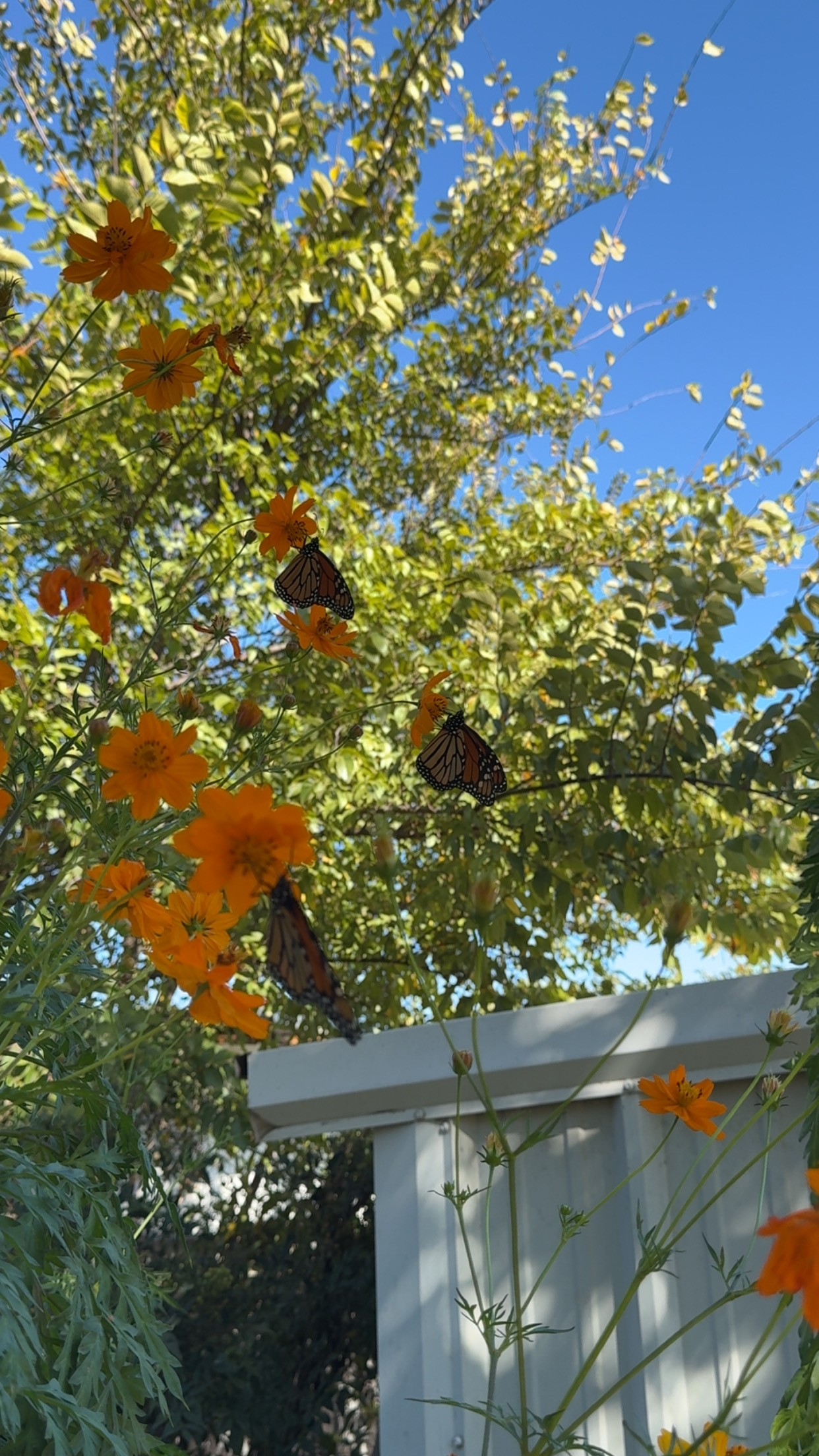

Simply a back yard butterfly garden! Started last year but had great results so looking forward to year two!
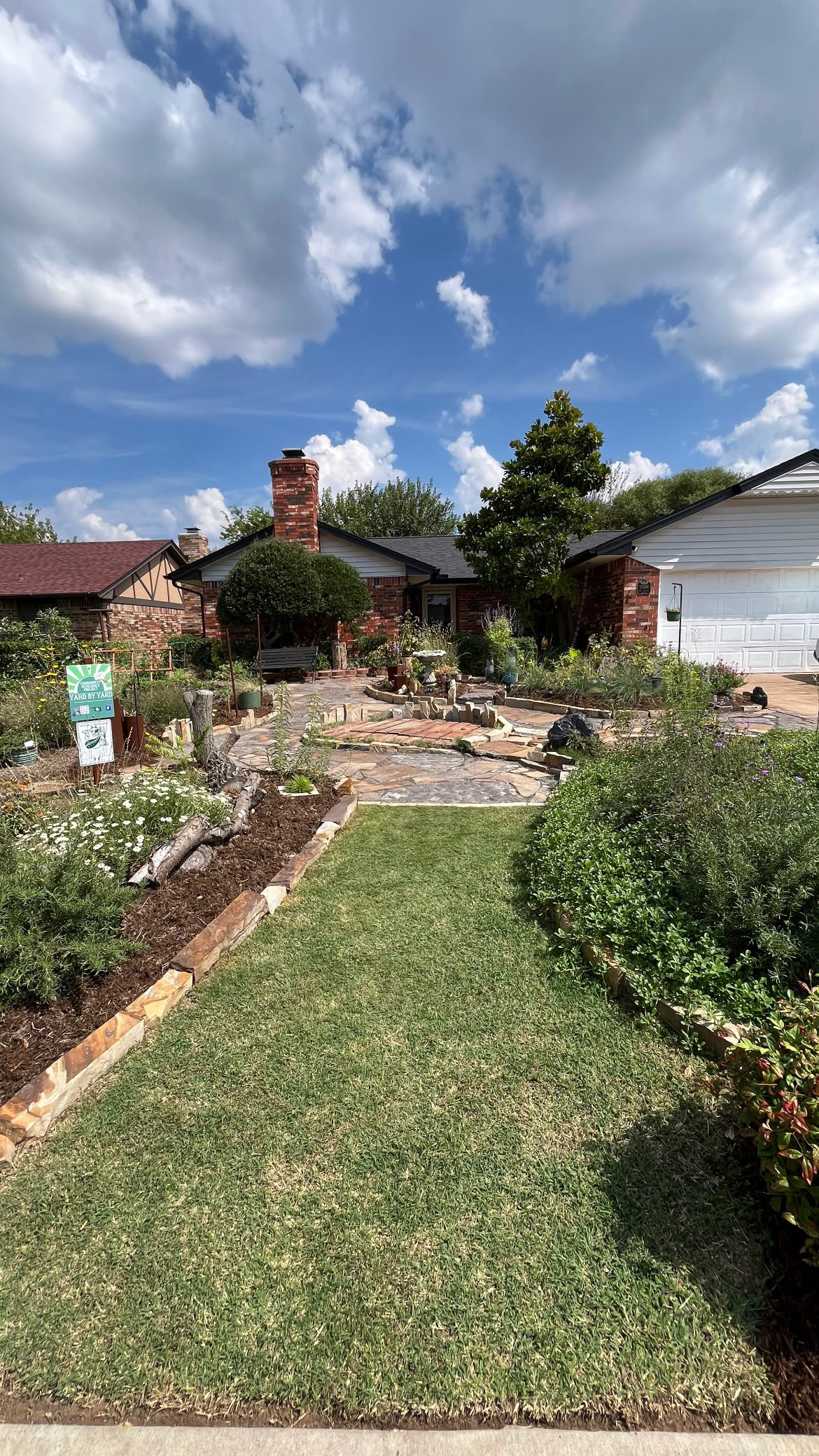
1000 sq ft of native and pollinator plants. No chemical usage.
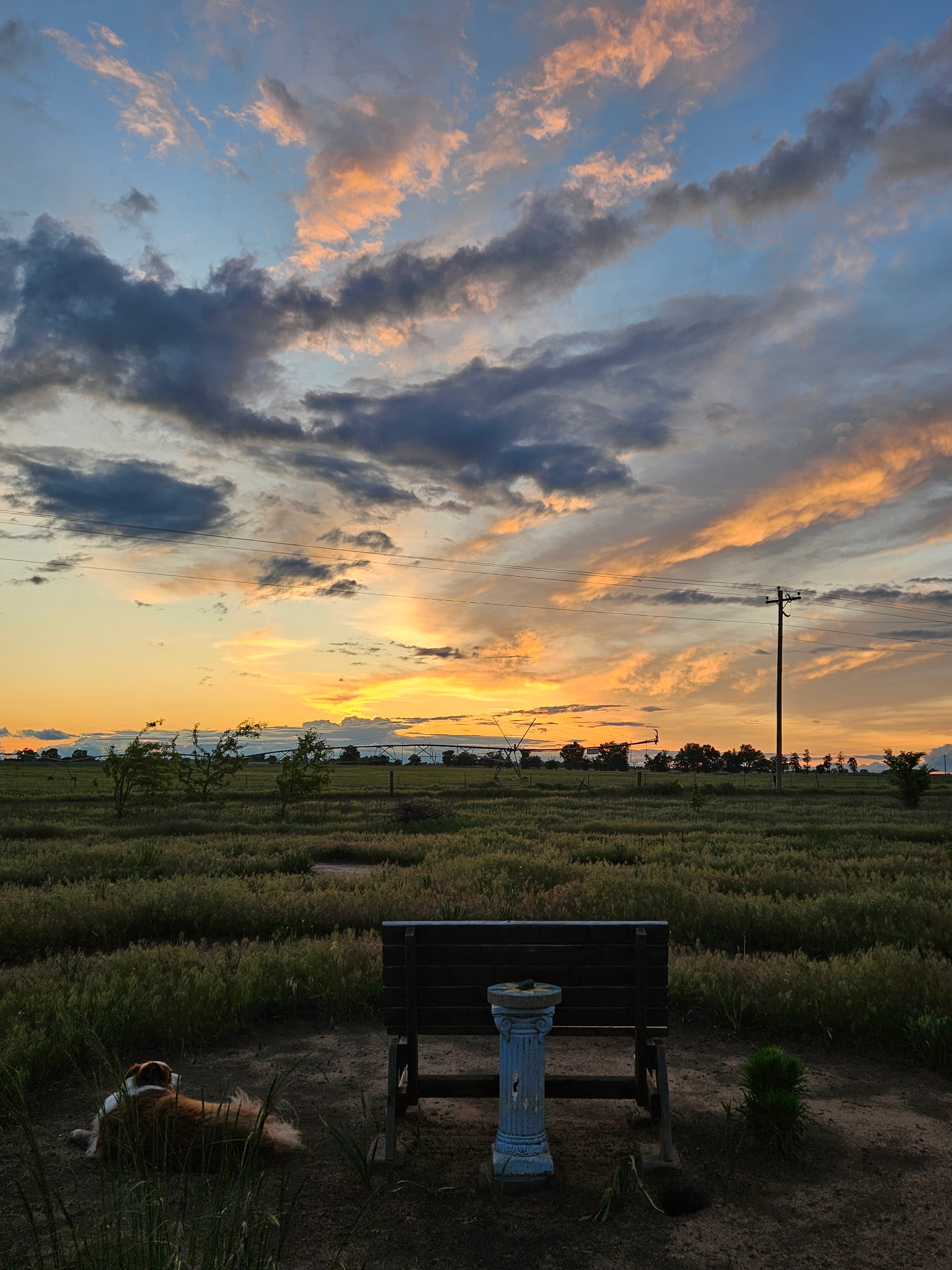
Small (ten acres) tract with several acres of mixed hardwood forest and an open area that was once a cultivated field. I have tried to make this place into a sanctuary for birds, butterflies, pollinators, and other critters. A large labyrinth (Over 100′ across, easily seen on satellite images.) was added several years ago as a focal point for flowers and a place to watch the “Sunset Theater” performances. More information can be found at https://labyrinthlocator.org/?fwp_state=ok (Access is by appointment only at this time through the World-Wide Labyrinth Locator organization.)
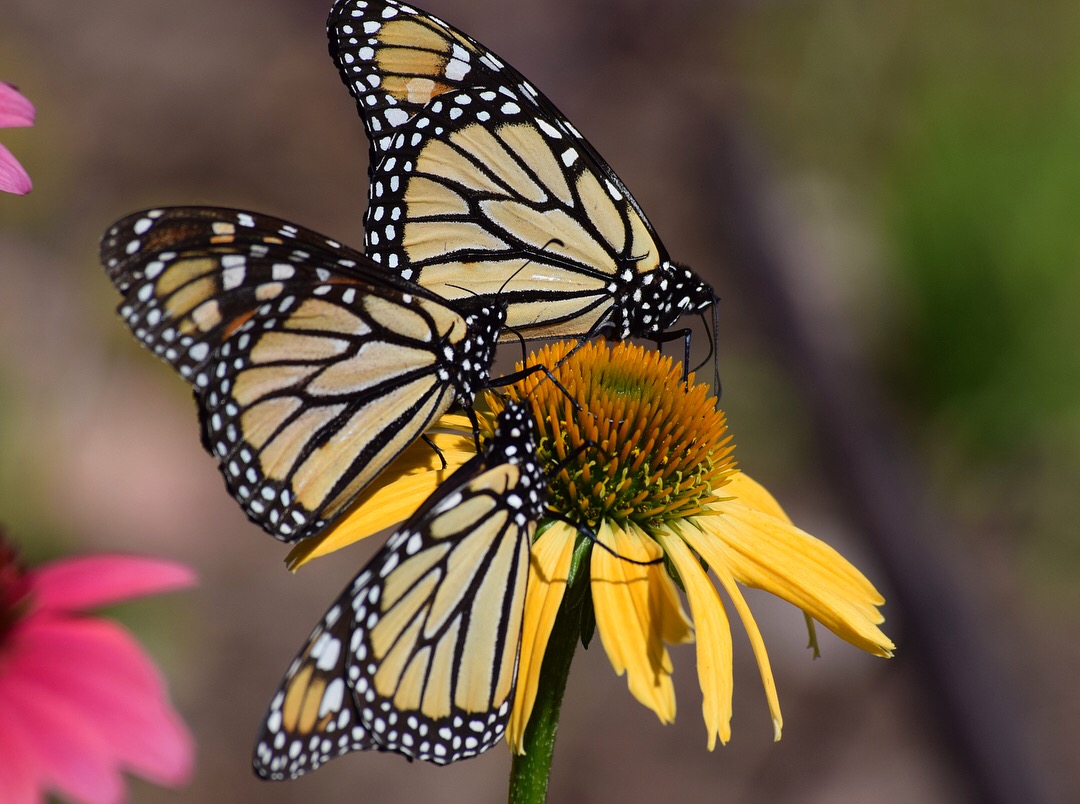
A pocket prairie garden that is always expanding. 🦋
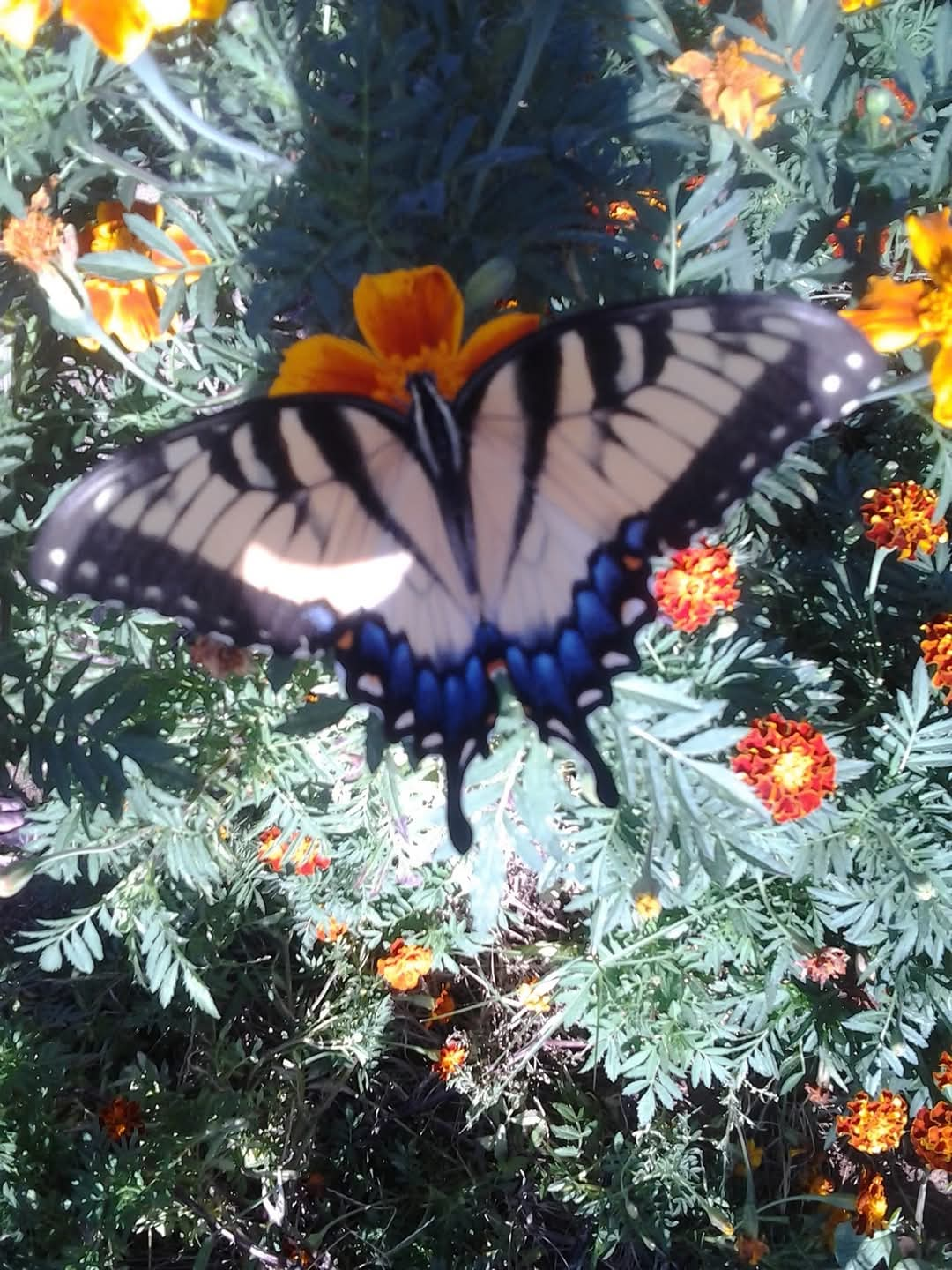
Small but has alot of life.
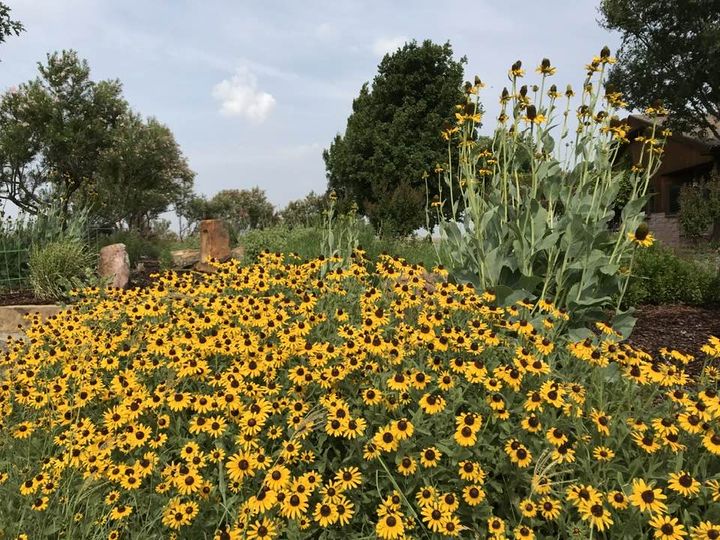
Pugh Gardens is a 3 acres garden complex with sun planters, woodland garden, 1/4 acres pond, set in a prairie setting. Visitors traverse on gravel paths festooned with embedded stone art featuring native wildlife. The plantings are predominantly native wildflowers and grasses and are a magnet for pollinators of every kind, is certified as a Monarch Waystation, and Wildlife Habitat. For the 2025 season Pugh Gardens will be open to the public Tuesday-Sunday 10am-4pm, May 1st-November 2nd. $10 adults, under 12 free.
The Urban Roost Farm, made possible by Lithic Roots in Tulsa, OK, is a thriving half-acre oasis blending regenerative agriculture and hugelkultur with native plants to support local pollinators. This residential lot is a medicinal and culinary herb farm dedicated to sustainability and biodiversity, creating a haven for monarchs and other native species.
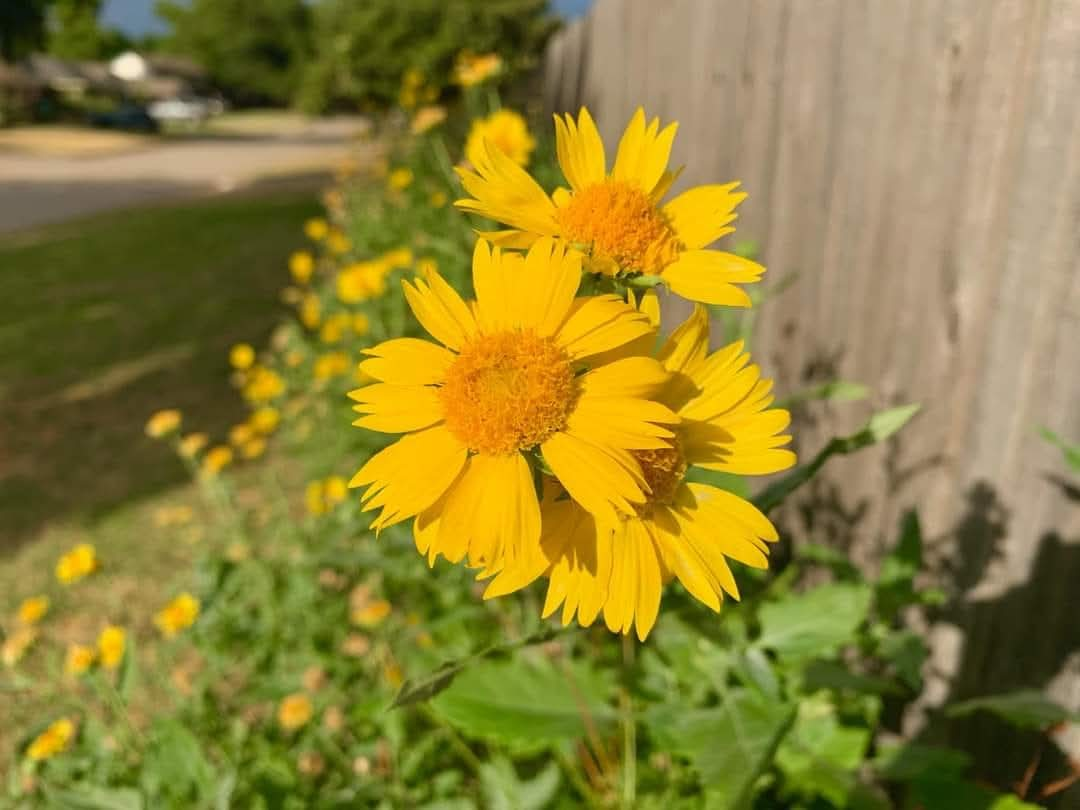
Barefoot Garden is a shining example of how a typical suburban front yard in Bethany, Oklahoma can be transformed into a thriving pollinator paradise. Nestled amongst the houses and manicured lawns, it stands out as a beacon of biodiversity and community engagement.
Here’s what makes it special:
* A Suburban Oasis: Unlike large, rural gardens, Barefoot Garden demonstrates how even a small space in a suburban setting can make a significant impact on pollinator conservation. It’s a model for Bethany residents, showing them how to integrate native plants and sustainable practices into their own yards.
* Oklahoma Native Focus: The garden showcases a variety of native Oklahoma plants, specifically chosen to attract and support local butterflies and other pollinators. This includes milkweed varieties like Antelope Horns and Butterfly Weed, crucial for monarch butterflies that pass through Oklahoma during their migrations.
* Adapting to Bethany’s Climate: Barefoot Garden thrives in Bethany’s climate, with plants that can withstand hot summers and occasional dry spells. This water-wise approach not only benefits pollinators but also conserves precious resources.
* Community Connection: Barefoot Garden fosters a sense of community in Bethany. Neighbors are invited to participate in planting days, educational workshops, and seed swaps. The garden becomes a gathering place where people can connect with nature and with each other.
* Education in Action: Barefoot Garden is a living laboratory where visitors can learn about the importance of pollinators, the role of native plants, and the benefits of sustainable gardening practices. It inspires residents to take action and create their own pollinator-friendly spaces in their Bethany yards.
By showcasing the beauty and ecological value of native plants in a typical Bethany setting, Barefoot Garden is making a real difference for pollinators and the community. It’s a testament to the power of small-scale actions to create positive change.
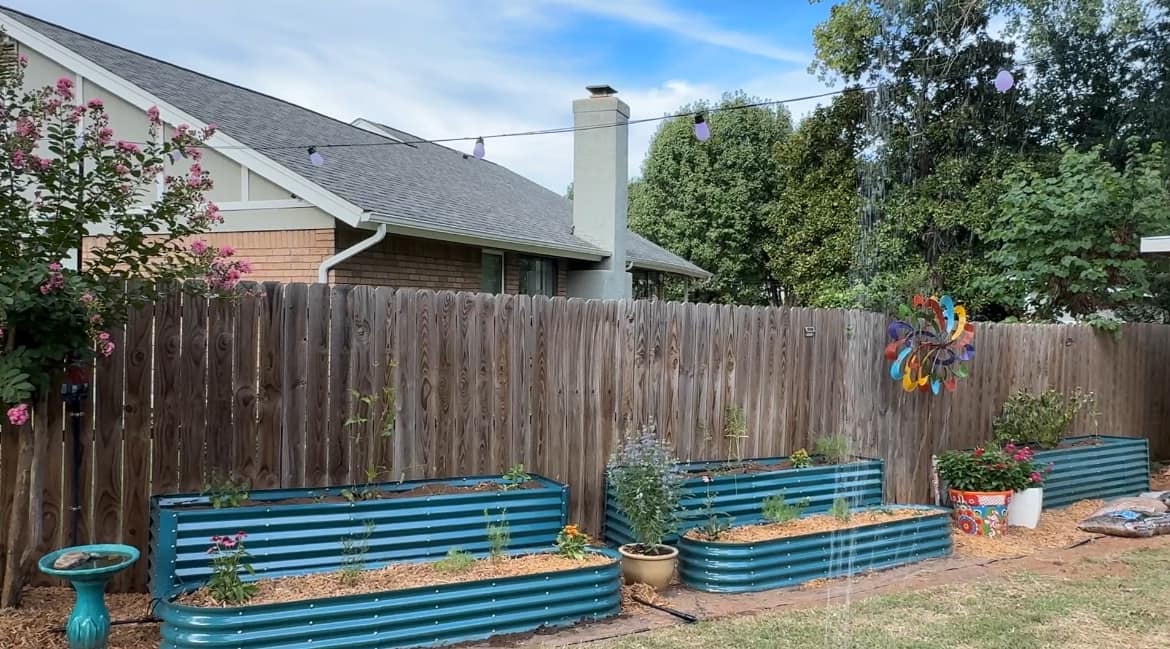
Two-tiered raised flower bed along our back fence, approximately 45′ long x 6′ deep. We have four 2’x2’x8′ raised rectangular beds (bottomless containers) along the back fence, and in front of those is a row of three 1’x2’x8′ oblong raised beds (also bottomless containers). We have filled the beds with Oklahoma Native Plants (95% are true native with only a few hybrids and others). Included are two plants each of three different species of milkweed: butterfly, purple and whorled.
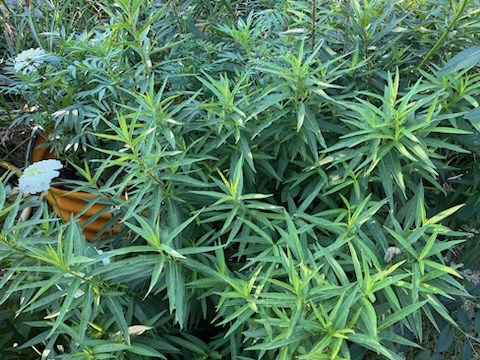
I planted a 2000 square ft. monarch sanctuary garden including milkweed in the backyard in February. They are now attracting what I believe are monarch caterpillars. I just took a picture of my first one. No pesticides or herbicides are used in the backyard.