
First-of-its-kind Wildlife Habitat Grant Creates 7,620 Square Feet of New Habitat in Central Oklahoma
August 13, 2025
BY STEFANIE LELAND
Due to pesticide use, habitat loss and climate change, Oklahoma’s native insect and bird populations have been rapidly declining. To address this issue, the Oklahoma Association of Conservation District’s Yard by Yard program and Oklahoma Monarch Society’s Okies for Monarchs program launched a first-of-its-kind Wildlife Habitat Grant program in Oklahoma, Canadian and Cleveland counties. Funding for this program was generously provided by the Kirkpatrick Foundation, whose support made this new conservation effort possible.
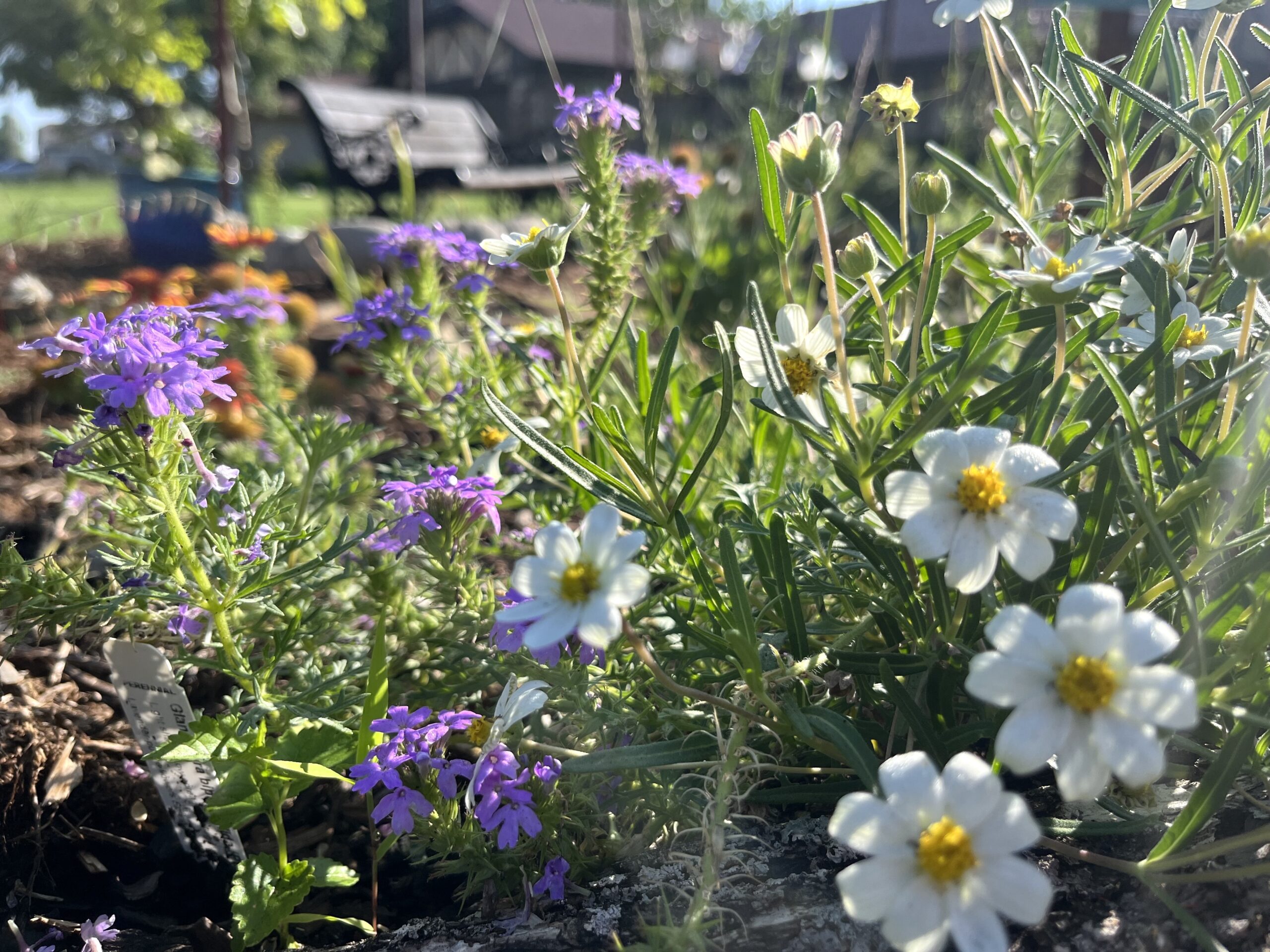
To qualify for funding, applicants committed to creating at least 100 square feet of new wildlife habitat, maintained without herbicides, pesticides, or fungicides. Planting guidelines required a minimum of one native plant every two feet, including at least three blooming wildflowers for each growing season, three native pollinator host plants, and one native woody species per project. Applicants were also provided with resources to support their projects, including guidance on garden design, plant selection, where to purchase native plants, and a list of local native plant landscapers.
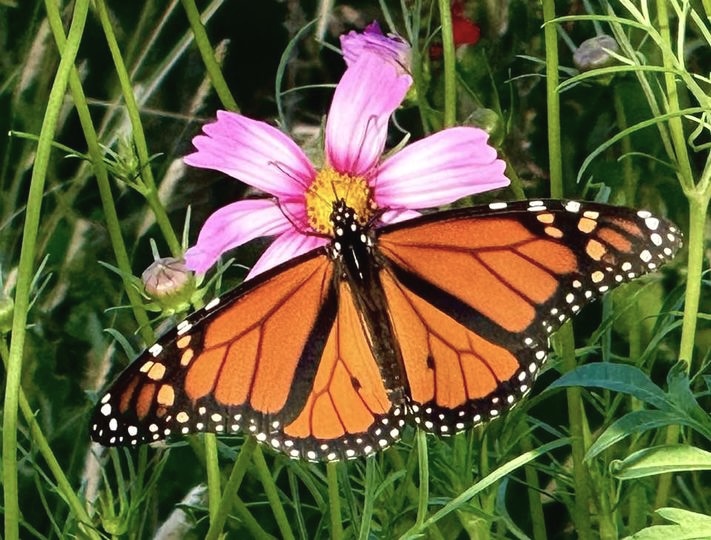
More people are turning to native plants for both practical and ecological reasons. These species have evolved alongside local wildlife and play a key role in supporting pollinators and healthy ecosystems. Native plants are also drought-tolerant, making them ideal for regions with limited rainfall. Gardening with natives means working with nature—not against it—and helps preserve shrinking habitats, support biodiversity, and protect important migrations like that of the Monarch butterfly.
The demand for native habitat projects is clear: the grant program received 216 applications spanning residential, commercial, public, and farm sites. In the end, 33 projects were funded, resulting in the creation of 7,620 square feet of new habitat and the planting of 3,809 native plants. And the impact doesn’t stop there.
If You Build It, They Will Come
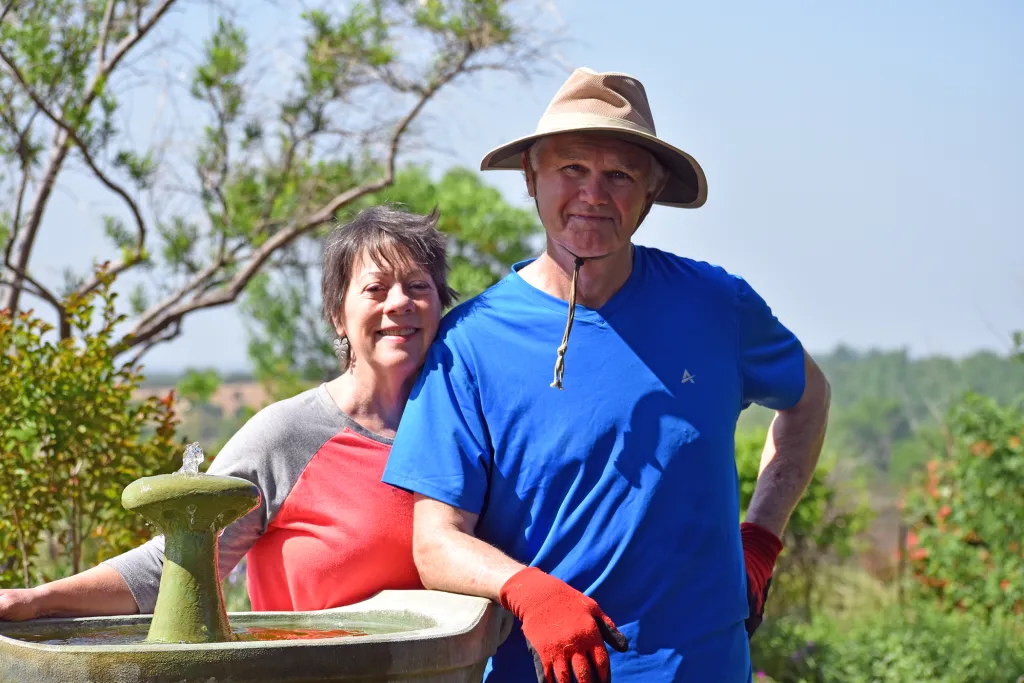
At Sun Buckle Farm, a 20 acre permaculture farm in Lexington, owners Crysta Brock and Amy Haskins have experienced firsthand the power of working with nature.
“At our farm, we choose to garden with native plants because we try to live and work with nature—not fight against it,” they shared. “As we’ve added native plants to our farm, we’ve seen an increase in native critters of all sorts—mammals, insects, birds, reptiles, and amphibians. Native plants increase our sense of wonder and connection to the land.”
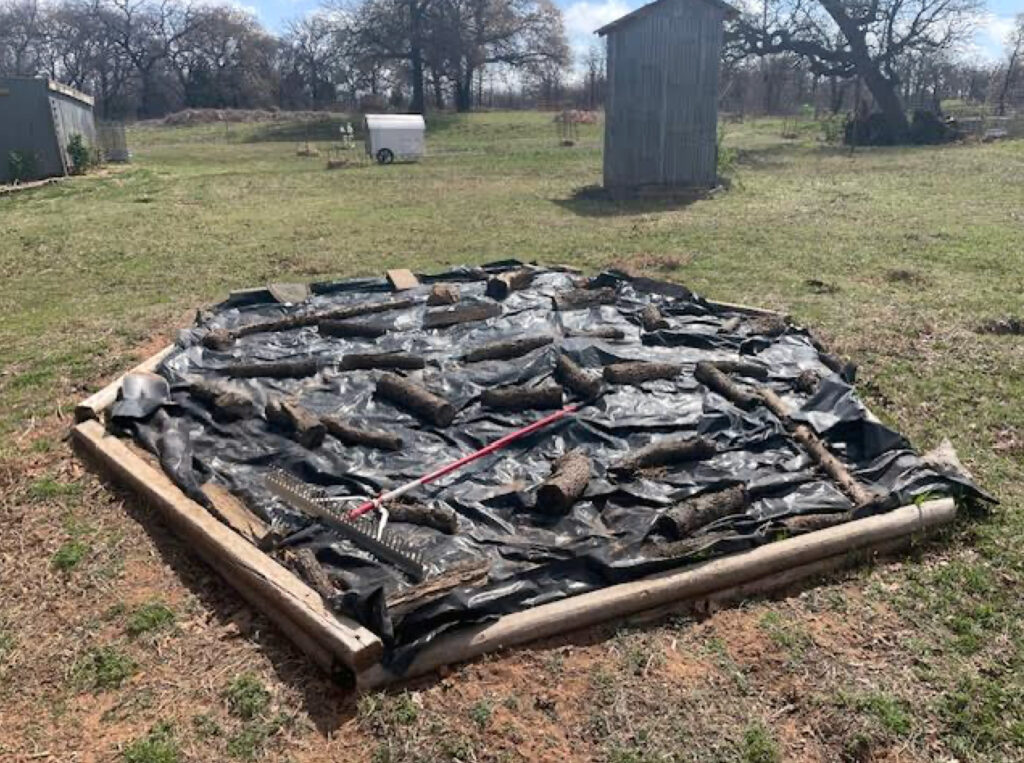
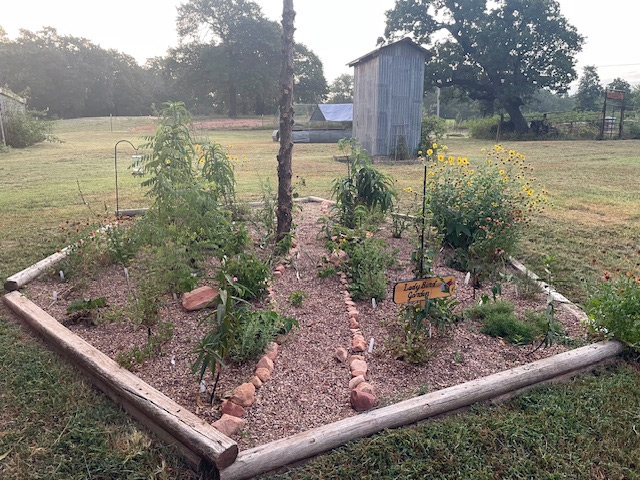
Before (above left), after (above right) and wildlife (below) at
Sun Buckle Farm's habitat grant project in Lexington, OK.

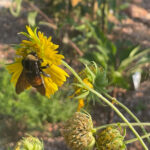
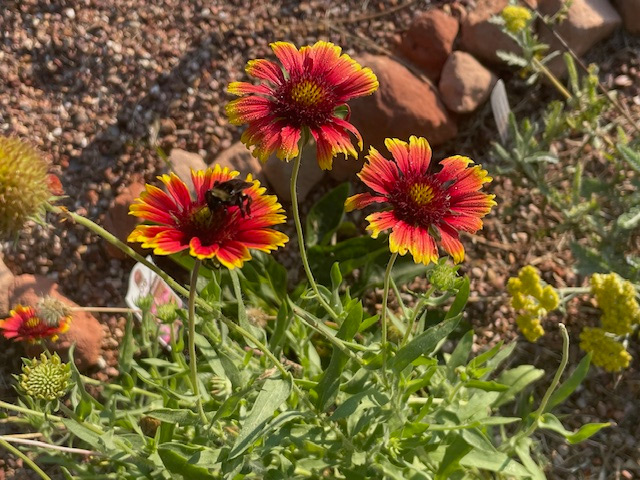
Toads, frogs, hummingbirds, moths, wasps, dragonflies, butterflies, bees, and even a bird called the Eastern Phoebe have all found their way to the farm — with the Eastern Phoebe frequently using a cedar post as its favorite hunting perch. “We can’t wait to see what shows up during the Monarch migration!” they added.
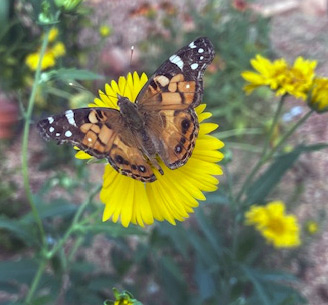
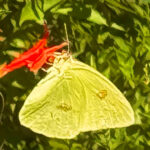
Over in Calumet, at Pugh Gardens, owners Daniel and Ruthie Pugh witnessed a similarly vibrant transformation just one month after completing their project. Several butterfly species—Monarch, Queen, Gulf Fritillary, Cloudless Sulphur, Red Admiral, and more—quickly began visiting. Dragonflies now abound, hummingbirds feed on newly planted sages and blooms, and tiny skinks scurry among the plantings, adding a sense of wonder to the vibrant habitat.
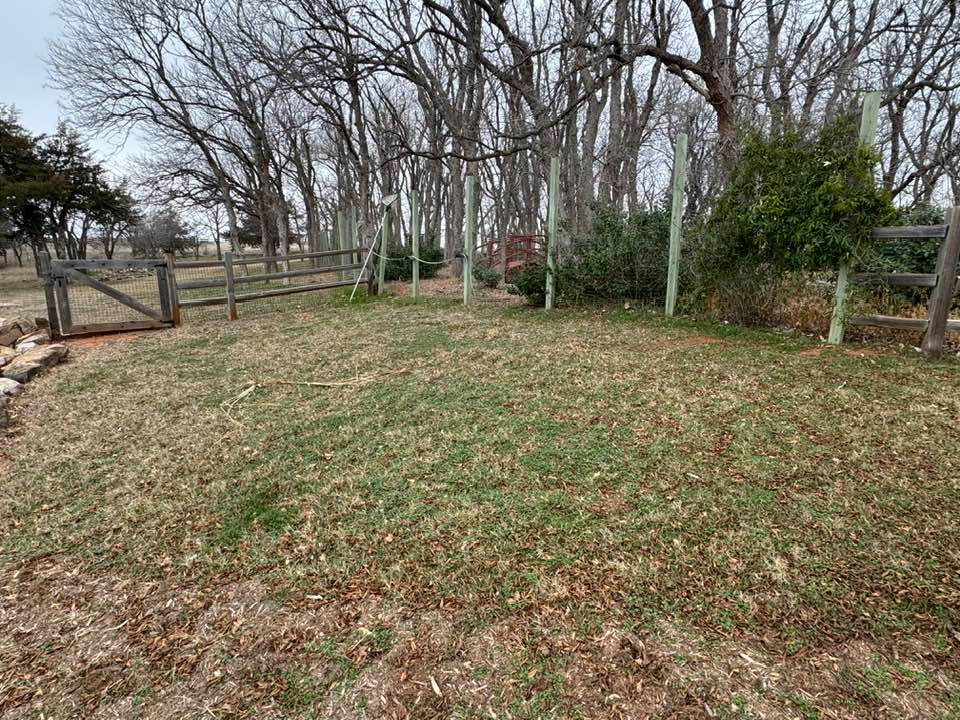
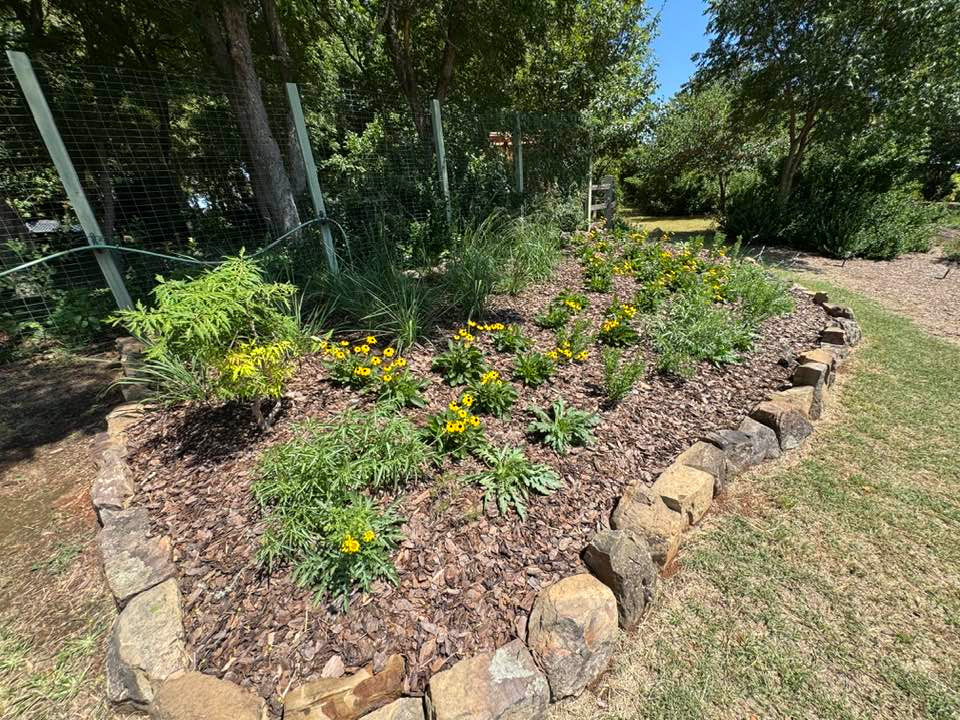
Before (above left), after (above right) and wildlife (below) at
Pugh Gardens' wildlife habitat grant project in Calumet, OK.
Creating Habitat and Community
For Omar and Kassidi Zarate of Mustang, who received funding for their newly planted wildlife habitat, the response from their community has been overwhelmingly positive.
“We’ve had multiple neighbors stop by to discuss the project since the first few days we started,” they shared. “Everyone showed excitement and enthusiasm for what was to come. This led to discussions about pollinators and the initiatives we were taking—with genuine interest. Since completion, it’s been an outpouring of praise and adoration.”
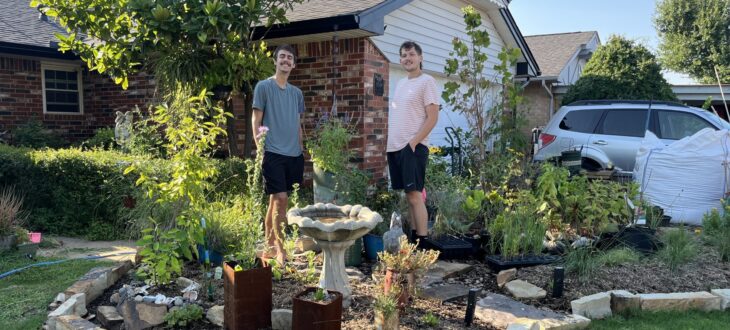
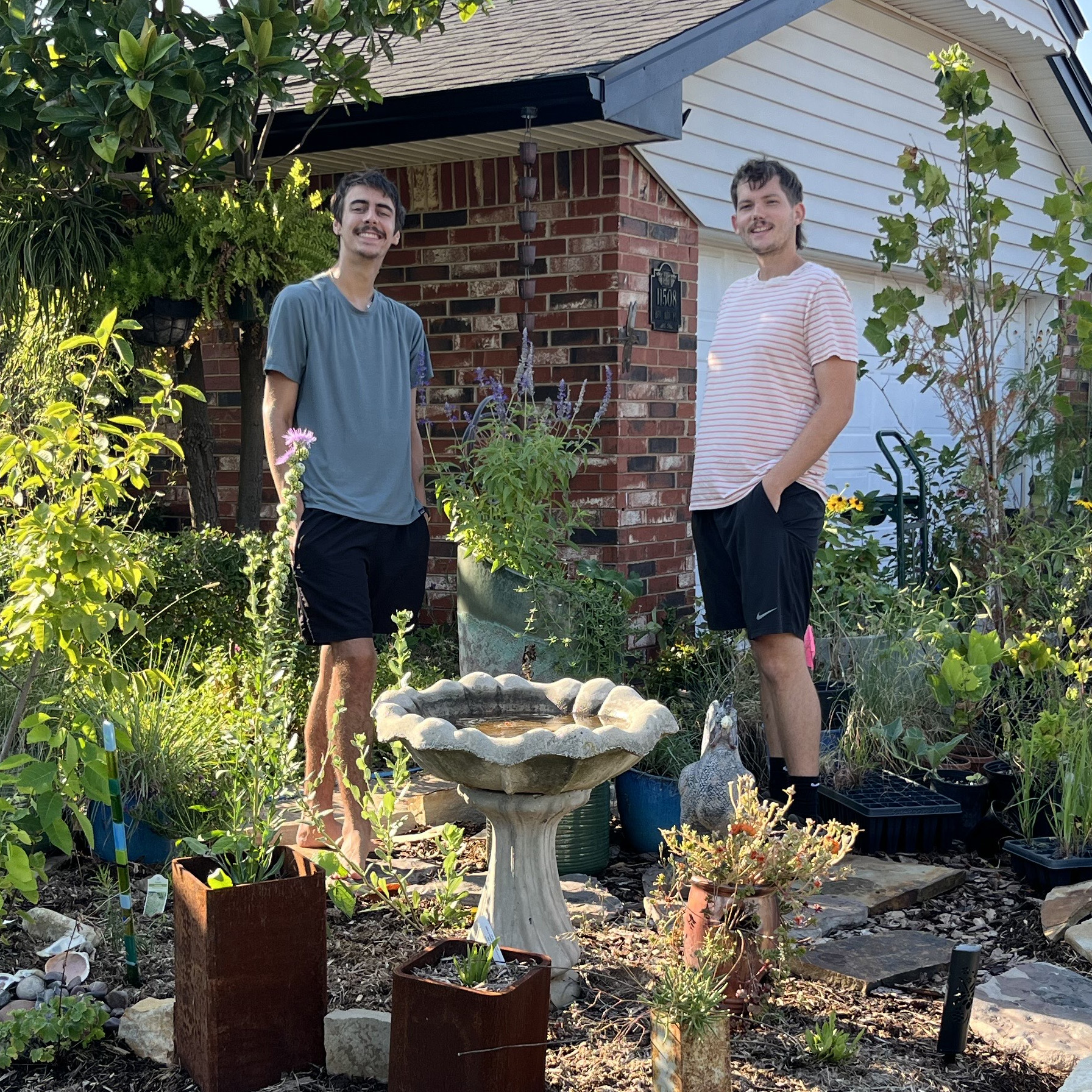
Similarly, Matt Cronin and Chris Patton of Oklahoma City found their habitat project sparked new neighborhood connections and conversations.
“Through this project, we’ve met so many neighbors!” they said. “Some walk over to check it out, others drive by just to see the progress. We’re noticing genuine curiosity and intrigue. People are excited to ask questions and learn about our practices—and are also excited to come hang out in the gardens once our pathways are completed.”
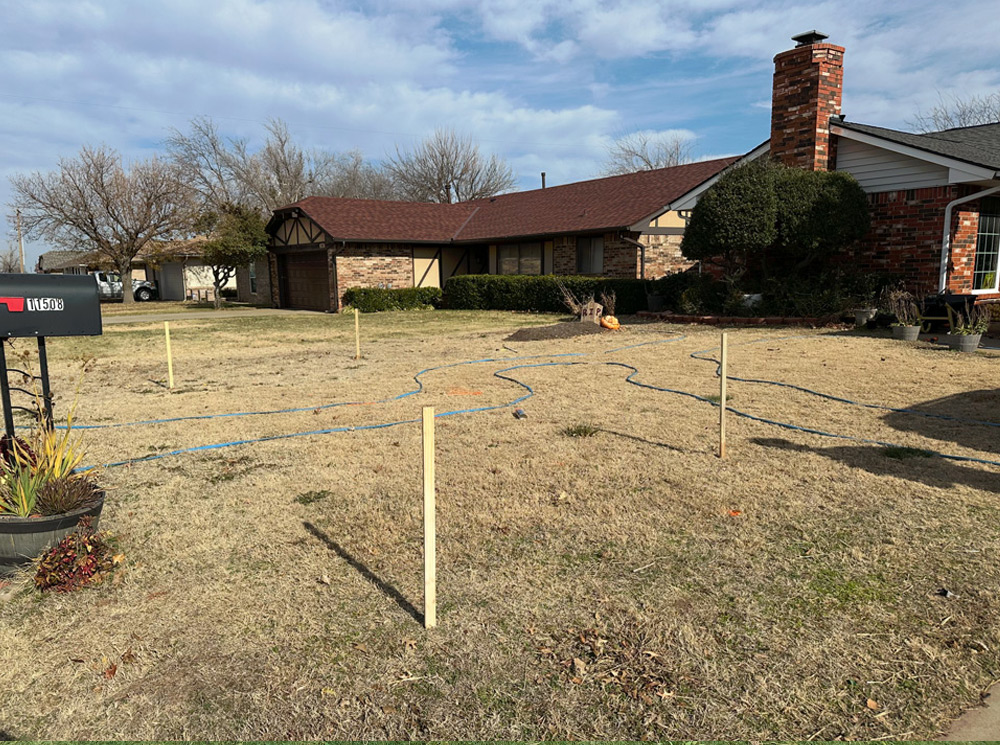
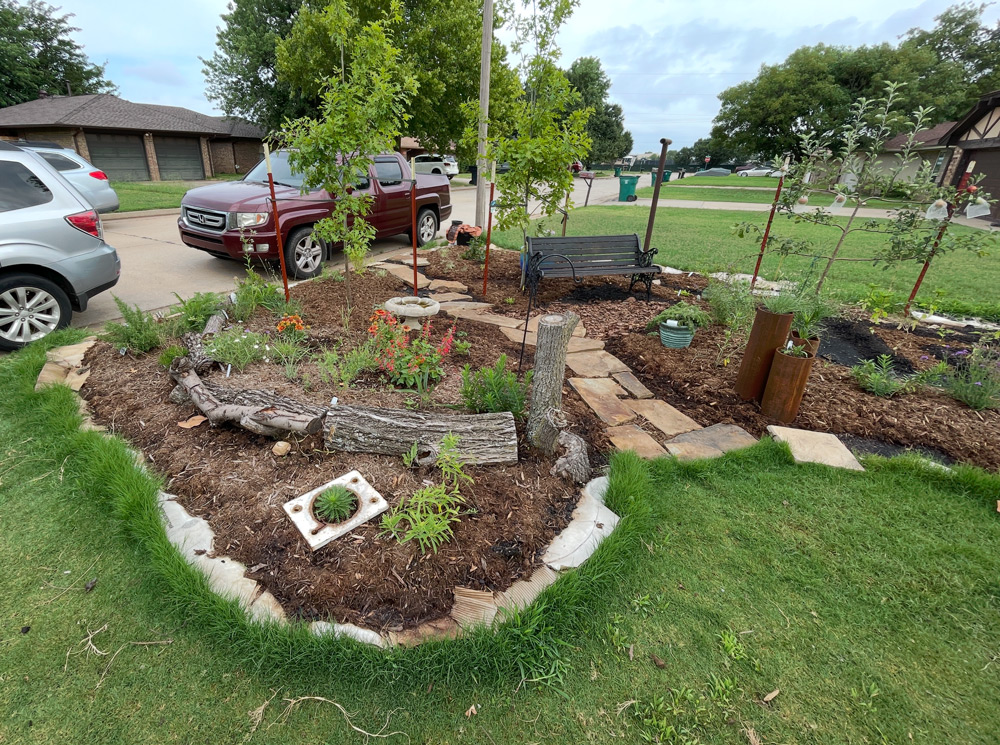
Before (above left) and after (above right and below) at
Matt Cronin's and Chris Patton's wildlife habitat grant project in OKC, OK.

Why It Matters
The success of the Wildlife Habitat Grant program demonstrates that with the right resources, everyday people can make a tangible difference in restoring biodiversity and supporting vital ecosystems. As participants Crysta Brock and Amy Haskins shared, “We try to live and work with nature—not fight against it.” That philosophy has become a guiding theme for many of the funded projects.
Omar and Kassidi Zarate of Mustang captured the spirit of transformation best: “We had a large area on a busy street that we wanted to become a showcase of how you can go native in an area that may not be as receptive to it,” they shared. “Thanks to the funding, we were able to move forward with our design, focus on sourcing plants, and dedicate our energy to building the garden sooner than we imagined.”
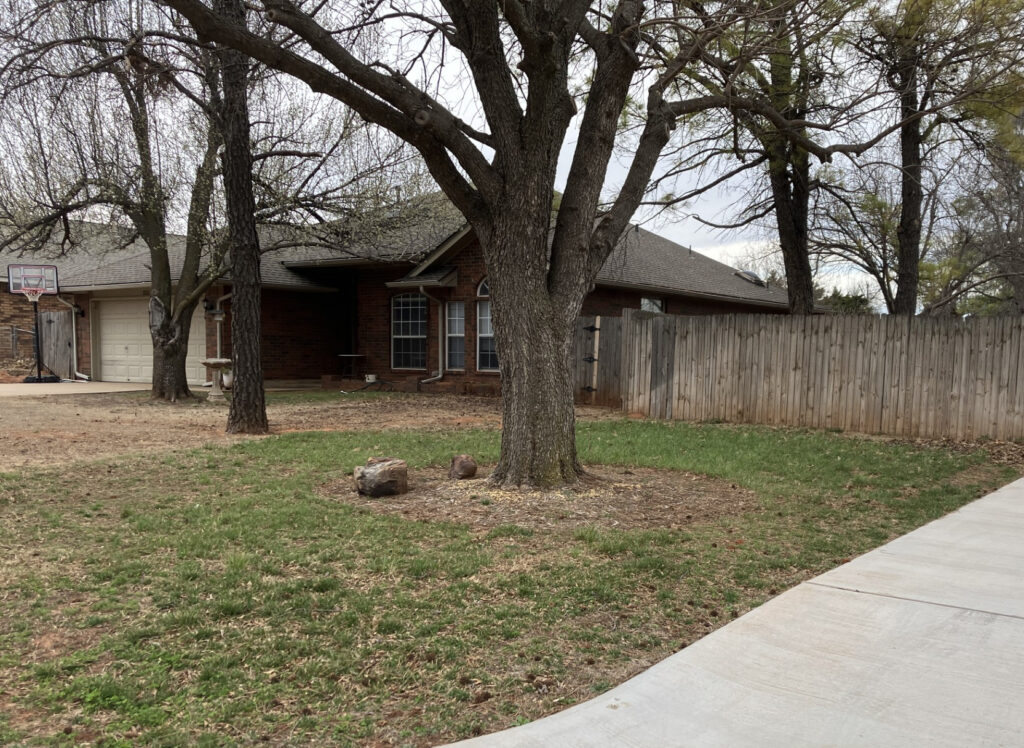
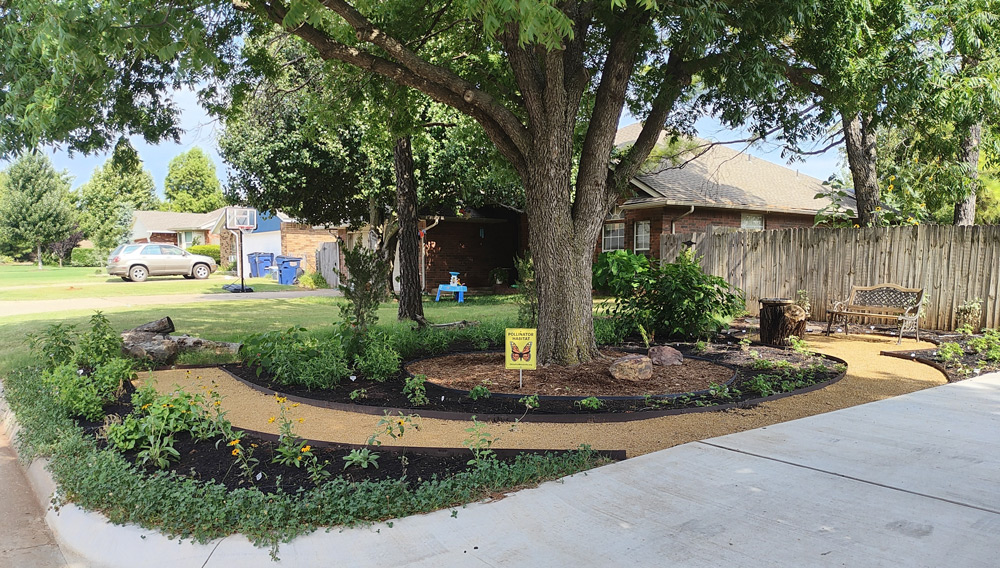
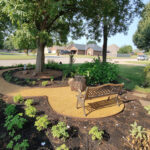
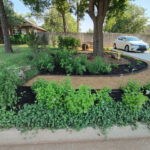
Before (above left) and after (above right and below) at
Kassidi and Omar Zarate's wildlife habitat grant project in Mustang, OK.
Upon completion, participants submitted receipts for native plant purchases and registered their new wildlife habitats with Okies for Monarchs, ensuring both transparency and long-term success. This funding has not only increased biodiversity across yards, farms, gardens, and parks, but it has also fostered a deeper sense of community. Neighbors have connected through these revitalized wild spaces—sharing knowledge, sparking curiosity, and celebrating the return of native wildlife.
In the end, the Wildlife Habitat Grant program has proven that creating habitat is about more than planting seeds—it's about planting the roots of connection, stewardship, and hope for a healthier, more vibrant future.
Contact: [email protected]