

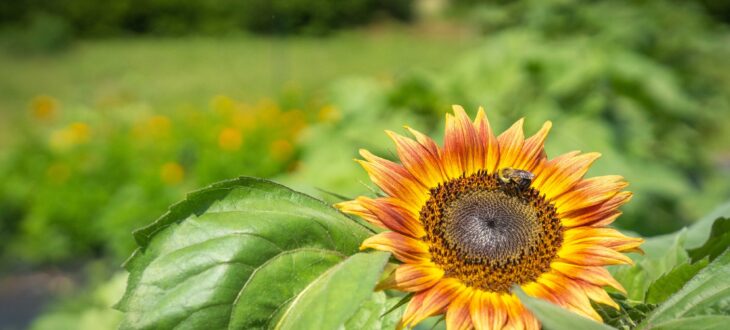
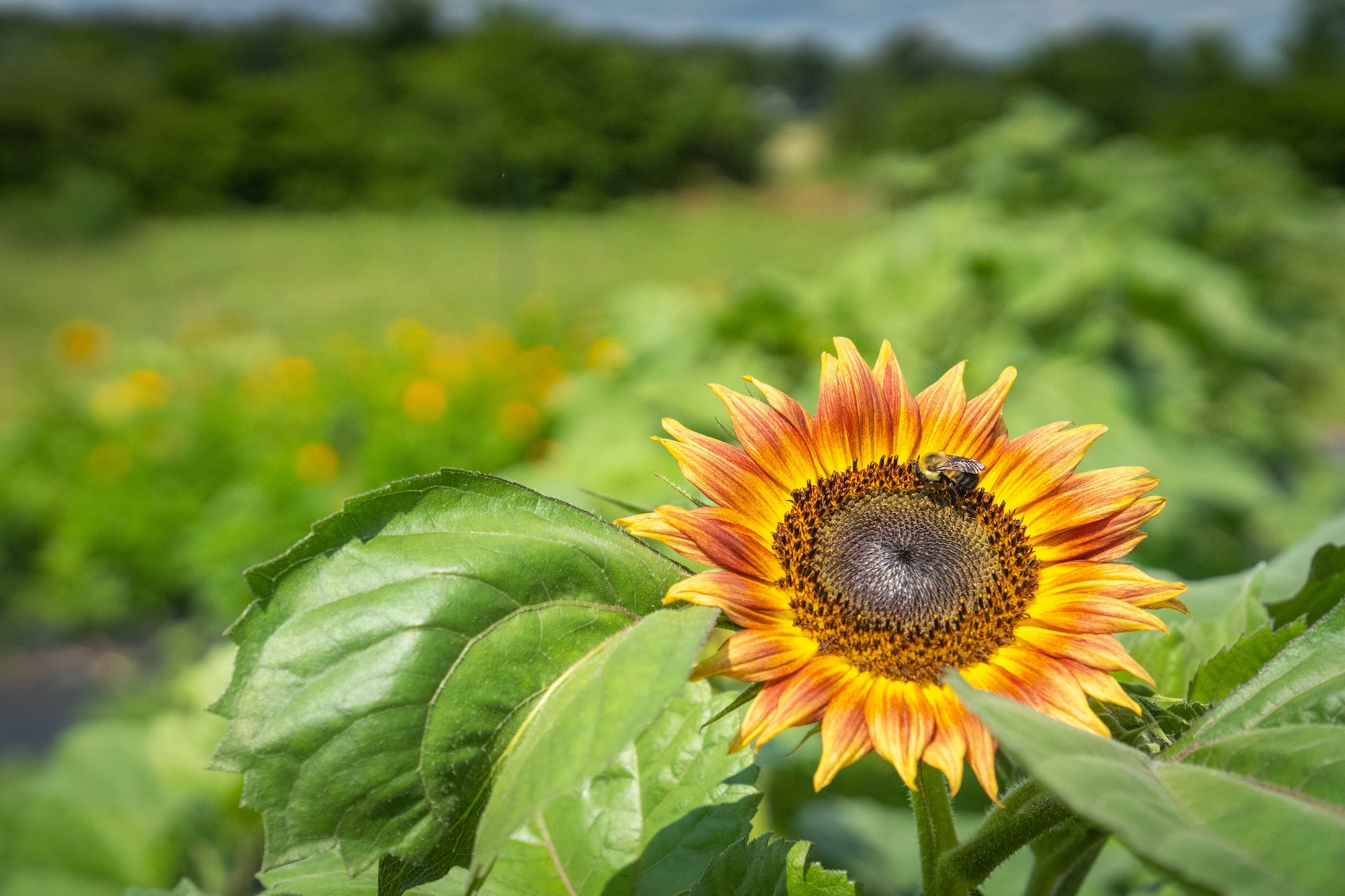
The creatures we often overlook are the ones we depend on most.
Pollinators—bees, butterflies, beetles, flies, bats, and others—are essential to life as we know it. These unsung heroes play a crucial role in producing many of the fruits, vegetables, and crops we enjoy every day. Yet, many of these species are experiencing alarming population declines. A recent comprehensive review of native bee species in North America and Hawaii found that a significant portion are in decline, with many facing an increased risk of extinction. Similarly, butterfly populations are also in decline, reflecting broader patterns across pollinator species.
One in Every Three Bites
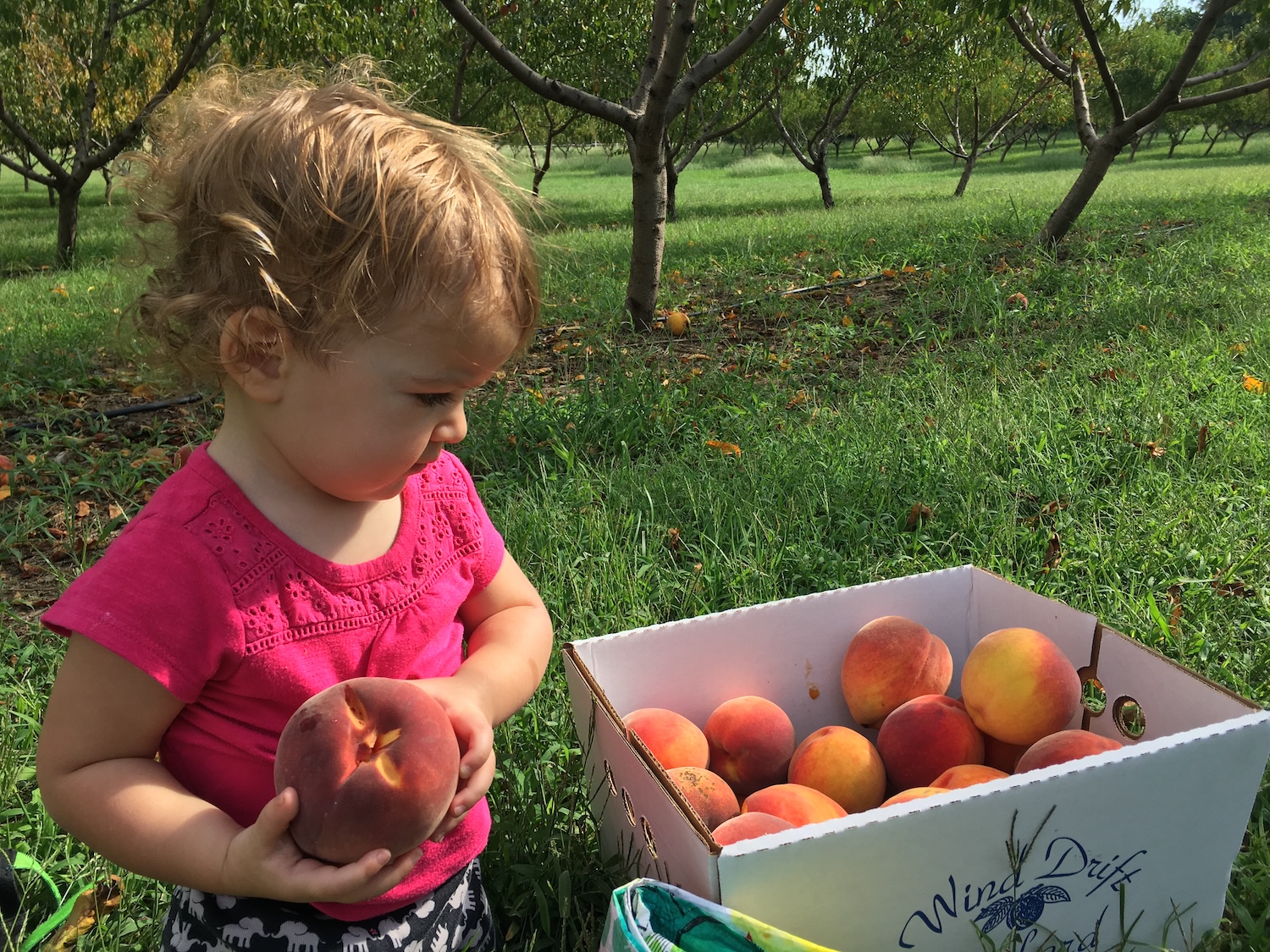
Pollinators influence about a third of total food production. They’re especially vital to some of our most nutrient-rich and economically valuable crops—like coffee, chocolate, blueberries, peaches and nuts. Without these pollinators to assist in fertilization, many crops could suffer drastic yield reductions.
But their importance extends beyond food. Pollinators also contribute to increased yields of crops like cotton and flax, which are essential for producing many of the clothes we wear. Their decline threatens not only our diets, but also the materials that support everyday life.
Why Are Pollinators Declining?
Research has identified several key threats contributing to pollinator decline:
- Habitat Loss: Pollinators are losing vital habitat as native prairies, forests, and meadows are cleared for development, agriculture, or replaced with uniform, non-native landscapes like Bermuda grass lawns. These changes reduce the availability of nectar, pollen, and nesting sites, fragmenting ecosystems that pollinators depend on.
- Pesticide Use: Many pesticides are designed to kill insects, but they don’t distinguish between pests and pollinators. Broad-spectrum insecticides can harm or kill bees, butterflies, and other beneficial species directly through contact or indirectly by contaminating the plants they visit. Even sublethal exposure can impair pollinators’ ability to navigate, forage, or reproduce.
- Climate Change: Rising temperatures, shifting weather patterns, and prolonged droughts are reshaping ecosystems and threatening the delicate timing between pollinators and flowering plants. Many species rely on specific climate cues for migration, emergence, and feeding. As landscapes warm and dry, food sources may bloom too early—or not at all—leaving pollinators without the resources they need to survive.
- Disease: Introduced diseases and parasites pose serious threats to pollinator health. These pathogens spread quickly infecting wild populations and weakening their immune systems, making them more vulnerable to other stressors.
What Can You Do?
We need broad participation to turn these trends around. Whether by creating healthy habitats, adopting pollinator-friendly practices, or spreading awareness, we can all make a difference and help protect these vital species.
In Your Yard or Neighborhood
- Create and Protect Habitat: Plant pollinator gardens with native flowers, mow less frequently, and leave some leaves and logs for overwintering habitat.
- Reduce or Eliminate Pesticides: Use targeted pest control methods. For example, mosquito traps like Mosquito-Be-Gone buckets can effectively reduce mosquito populations without harming pollinators.
- Promote Sustainable Practices: Advocate for policies that protect pollinators and support land stewardship. Planting trees in urban areas not only helps combat the urban heat island effect but also provides essential habitat, supports local biodiversity, and improves overall ecosystem health.
- Support Local Organizations: Get involved by supporting Okies for Monarchs, a public education and outreach initiative of the Oklahoma Monarch Society. This program is a key component of the Statewide Monarch Conservation Action Plan. Okies for Monarchs helps educate the public and inspire action across Oklahoma.
On Farms and Ranches
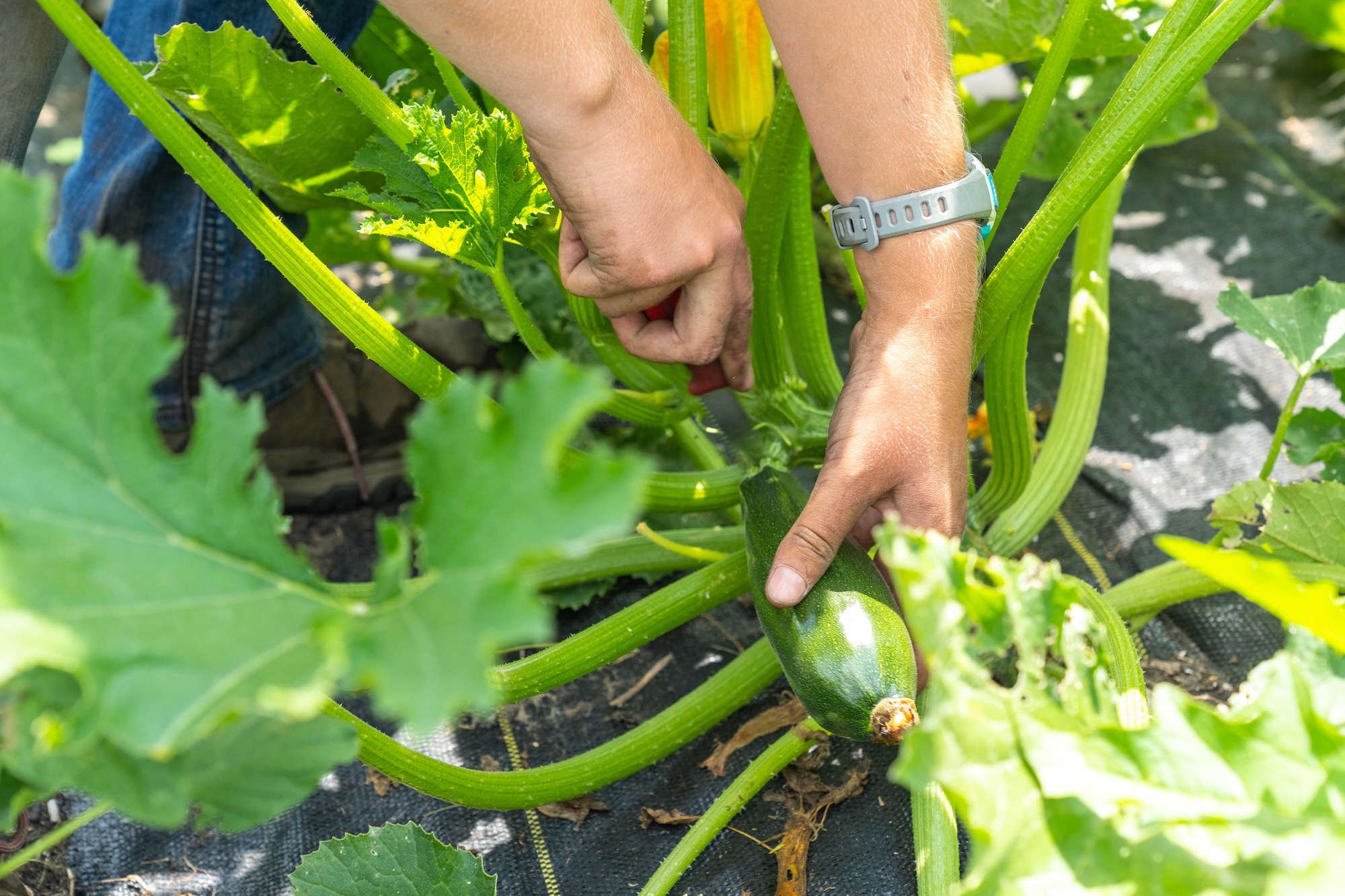
- Create Habitat: Plant hedgerows and native wildflowers to provide nectar and pollen throughout the growing season
- Maintain Natural Areas: Preserve riparian zones, old trees, and other natural spaces.
- Use Integrated Pest Management: Avoid broad-spectrum pesticides; instead, monitor pests and use targeted biological controls.
- Join Conservation Programs – Many programs offer resources and incentives to support pollinator-friendly practices. A good start is to check out Helping the Monarch Butterfly on Oklahoma’s Rangelands to learn more about how you can get involved and help create habitats for pollinators.
Protecting pollinators isn’t just about saving butterflies and bees—it’s about securing our food systems, maintaining biodiversity, and supporting farmers' livelihoods. Sustainable choices made in backyards, cities, and farms all play a crucial role in fueling the wings that feed us and ensure resilient, healthy food systems for the future.